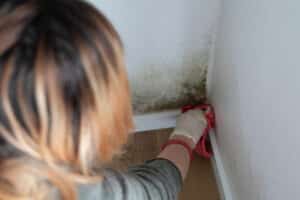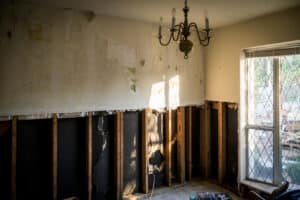

When water damage affects a home, one of the first questions homeowners ask is how long restoration will take. Mold growth is a common issue in New Braunfels homes, especially in areas where moisture persists after leaks, flooding, or prolonged periods of high humidity. Mold does not always appear immediately. In many cases, it develops in hidden areas such as behind walls, under flooring, or within insulation.
At W.B. Arthur, mold is often discovered during water damage inspections when moisture was not fully addressed. Even after visible water has been removed, damp materials can remain, creating conditions where mold can begin to grow. Understanding how mold develops and what contributes to its growth is an important part of preventing long-term damage inside the home.
Why New Braunfels Homes Are Vulnerable to Mold
Homes throughout Central Texas are frequently exposed to conditions that support mold growth. Heavy rainfall, seasonal storms, plumbing leaks, roof damage, and elevated humidity all increase moisture levels inside a home.
Mold commonly develops in bathrooms, kitchens, laundry rooms, attics, crawl spaces, and basements. These areas are more prone to moisture buildup and limited airflow. During mold remediation and water damage projects, our team frequently finds mold growth in concealed spaces where moisture went undetected or was not fully dried after water intrusion.
Common Causes of Mold Growth
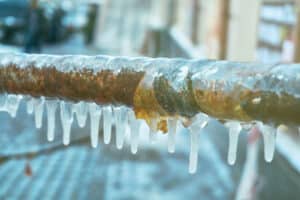
The most significant factor contributing to mold growth is moisture. Water damage from plumbing leaks, roof leaks, flooding, or sewage backups creates ideal conditions for mold to grow if not properly mitigated.
Poor ventilation can also contribute to mold problems. Steam from showers, cooking, and laundry increases indoor humidity, particularly in areas without adequate airflow. Condensation around windows, HVAC components, and ductwork may also introduce moisture that supports mold growth over time.
Improperly dried water damage is another common cause. When water removal and drying are rushed or incomplete, moisture can remain trapped inside walls or beneath flooring, allowing mold to grow long after the initial incident.
Steps Homeowners Can Take to Help Prevent Mold
Preventing mold starts with controlling moisture and addressing water issues as soon as they occur. Homeowners can reduce risk by monitoring areas where moisture is more likely to accumulate and responding quickly to leaks or water damage.
Helpful mold prevention steps include:
- Repairing plumbing leaks and roof damage promptly
- Using exhaust fans in bathrooms, kitchens, and laundry rooms
- Managing indoor humidity levels through proper ventilation or dehumidification
- Ensuring water damage is thoroughly dried after leaks or flooding
- Paying attention to musty odors or signs of moisture behind walls or floors
While these measures can help reduce risk, mold can still develop if moisture remains hidden inside building materials.
The Importance of Prompt Water Damage Mitigation
A quick response to water damage plays a critical role in preventing mold. Removing standing water is only the first step. Structural drying, dehumidification, and moisture monitoring are necessary to ensure affected materials are fully dried.
At W.B. Arthur, water damage restoration focuses on identifying and addressing hidden moisture. Thermal inspections and moisture detection help locate areas where water may have spread beyond visible surfaces. Proper drying reduces the likelihood of mold growth developing days or weeks later.
Professional Mold Prevention and Remediation in New Braunfels
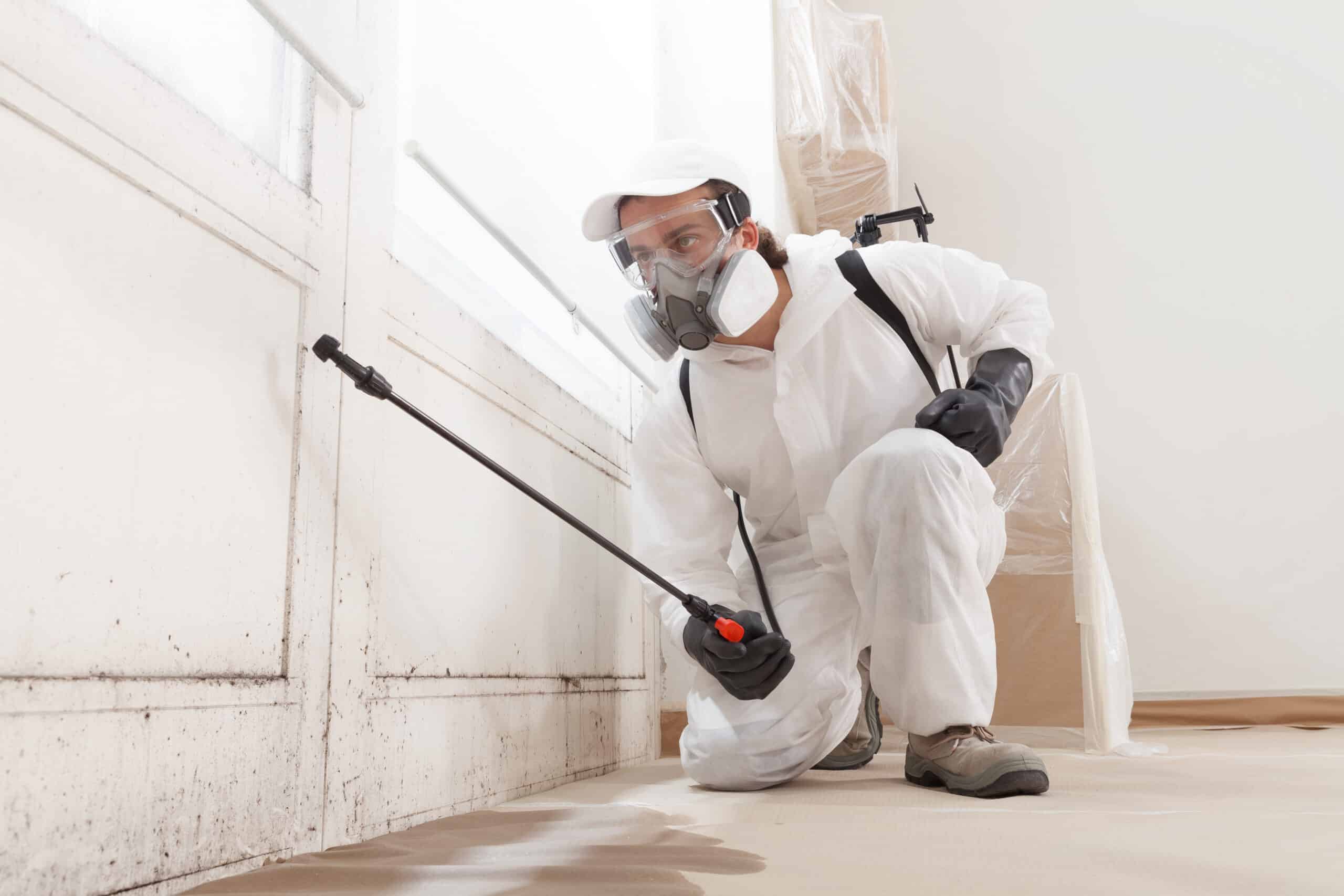
Preventing mold often requires more than surface cleaning. Professional inspections help identify moisture problems and early mold growth that may not be visible to the naked eye. When mold is present, professional remediation ensures contaminated materials are properly addressed, and the conditions that caused the growth are corrected.
W.B. Arthur provides mold remediation and water damage restoration services throughout New Braunfels and surrounding Central Texas communities. By focusing on thorough investigation, moisture control, and proven remediation methods, homes can be restored to safe conditions and protected from ongoing mold issues.