
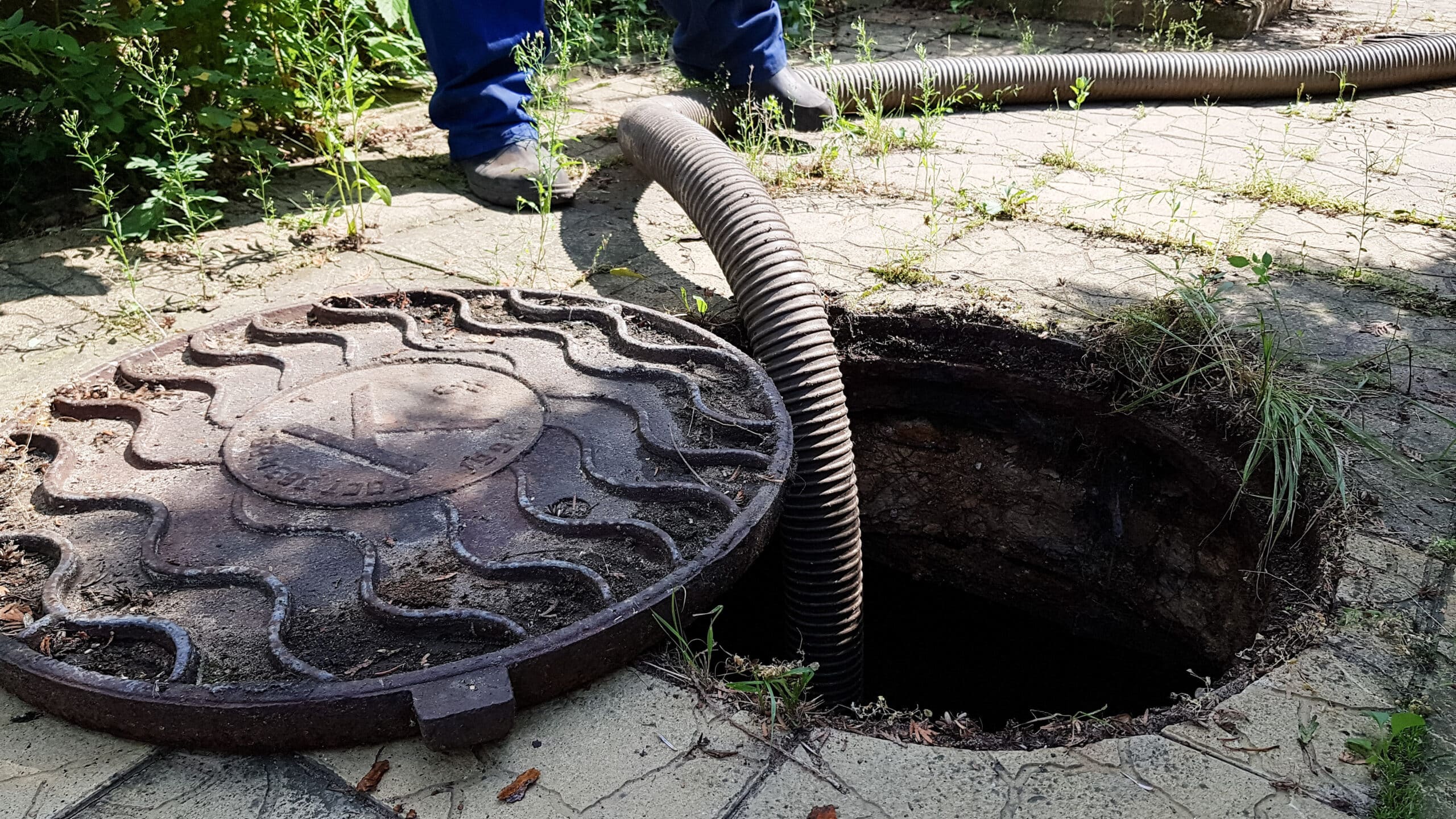
A sewage backup is one of the most serious and hazardous problems a homeowner can face. Whether caused by a clogged drain, a damaged sewer line, or heavy rainfall that overwhelms the system, raw sewage can introduce harmful contaminants into the home.
Sewage requires immediate attention since it can spread quickly, saturate building materials, and create long-term health risks if not cleaned properly. Understanding the dangers and the correct steps for safe cleanup helps protect both your home and your well-being.
Why Sewage Backups Happen in Texas Homes
Sewage backups can occur for several reasons in Austin homes. Expansive clay soil and sudden heavy rainfall can cause pipes to shift or crack, increasing the risk of sewage backups, particularly in older homes and established neighborhoods. In addition to these environmental factors, common causes include:
- Blocked or clogged drains
- Tree root intrusion in sewer lines
- Collapsed or damaged pipes
- Heavy rain or stormwater flooding that overwhelms municipal systems
- Improper disposal of grease, wipes, or hygiene products
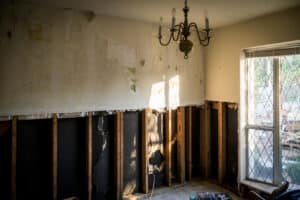
Once a backup occurs, contaminated water can spread through flooring, drywall, and porous materials. Even small backups require careful cleanup, as sewage contains bacteria, viruses, and chemical contaminants that persist long after the water is removed.
Health Risks of Sewage Backups in Austin Homes
Sewage is considered a Category 3 water contaminant, meaning it contains dangerous pathogens that can cause illness upon contact or inhalation. Exposure to raw sewage may lead to:
Bacterial and viral infections: E. coli, norovirus, hepatitis A, and other pathogens can spread through contaminated surfaces or airborne particles.
Respiratory irritation: Sewage gases and airborne contaminants can worsen asthma or cause breathing difficulties.
Skin irritation and rashes: Direct contact with contaminated water can lead to irritation or infection.
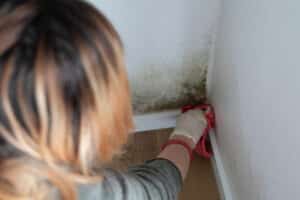
Mold growth: Moisture from sewage backups can promote mold within 24 to 48 hours, compounding the risk.
Because these hazards can spread quickly, homeowners should avoid attempting cleanup without proper protective equipment and knowledge of safe containment practices.
What Homeowners Should Do Immediately After a Sewage Backup
Safety should always be the first priority. If a sewage backup occurs in your home, take the following steps:
- Avoid direct contact with contaminated water
- Turn off HVAC systems to prevent the spread of airborne particles
- Keep children and pets away from affected areas
- Do not attempt to clean large or heavily contaminated areas on your own
- Contact a professional restoration company as soon as possible
Quick action limits structural damage and reduces the spread of harmful contaminants throughout the home.
Why Professional Sewage Cleanup Is Essential
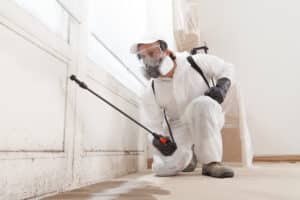
Sewage cleanup requires specialized training, equipment, and safety protocols to ensure the home is fully restored. At W.B. Arthur, our certified team follows industry-standard procedures for containment, removal, and sanitation.
Our process includes:
- Extracting contaminated water and waste
- Removing affected materials such as carpet, drywall, or insulation
- Applying EPA-approved disinfectants to eliminate harmful bacteria and viruses
- Using HEPA filtration and drying equipment to restore healthy conditions
- Preventing mold growth through thorough structural drying
Restoring Your Home Safely After a Sewage Backup
Sewage backups require fast action and a professional response to prevent long-term damage. With proper cleaning methods, safe disposal of contaminated materials, and complete structural drying, your home can be restored to a healthy environment again.
W.B. Arthur provides 24/7 sewage cleanup and restoration services for homeowners across Texas. If a sewage backup affects your home, our certified professionals are ready to respond quickly and restore your property safely and thoroughly.