
When mold is discovered in a home, homeowners often question whether they can handle it themselves or if professional remediation is necessary. In many cases, mold may appear minor on the surface, but what is visible does not always represent the full extent of the issue.
At W.B. Arthur, we frequently encounter mold growth that started as a small, visible problem but was tied to hidden moisture inside walls, under flooring, or within insulation. Understanding the difference between surface cleanup and full mold remediation helps homeowners make informed decisions about how to address mold safely.
Can Mold Be Removed Without Professional Help?
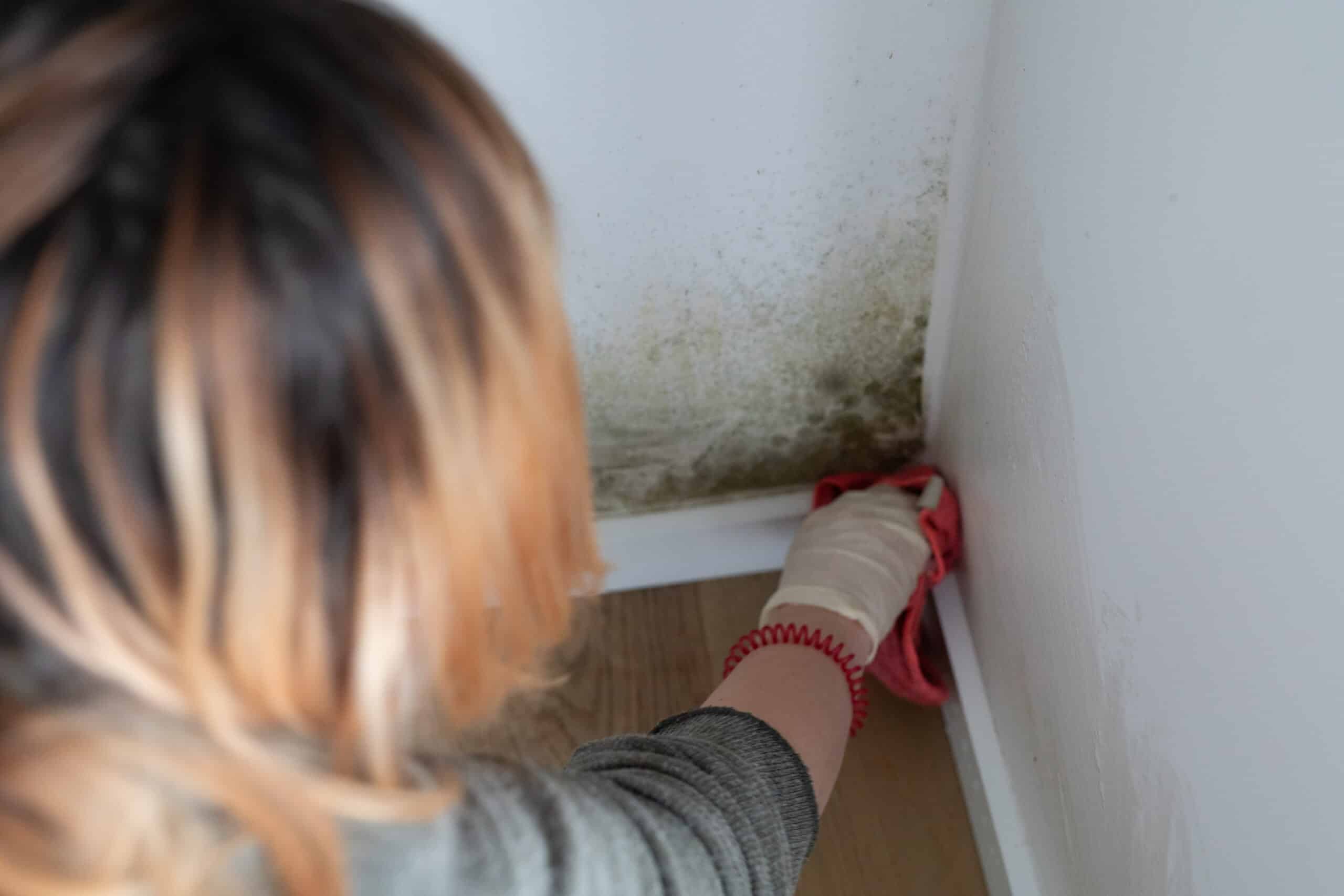
DIY mold cleanup is sometimes attempted when growth appears limited to a small area. Homeowners may clean visible mold using household products, particularly on non-porous surfaces such as tile or countertops.
While this approach may remove what can be seen, it does not address moisture trapped behind surfaces or within building materials. Without correcting the source of moisture, mold often returns. DIY cleanup also increases the risk of spreading mold spores to other areas of the home.
Risks Associated With DIY Mold Removal
One of the primary risks of DIY mold removal is exposure. Disturbing mold growth can release spores into the air, allowing contamination to spread beyond the original area. Without proper containment and filtration, cleanup efforts can make the problem worse.
Incomplete removal is another common issue. Porous materials such as drywall, insulation, and wood may be affected beyond the surface. During mold remediation projects, our team often finds mold growth behind materials that were previously cleaned but not properly assessed.
DIY cleanup also does not address underlying moisture issues. If leaks, humidity, or water damage remain unresolved, mold growth can continue even after visible areas are cleaned.
What Professional Mold Remediation Involves
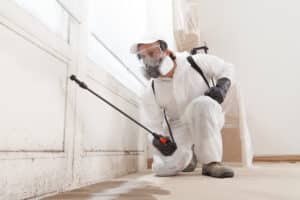
Professional mold remediation focuses on identifying the full scope of the problem and addressing both mold and moisture. At W.B. Arthur, the process typically includes:
- Inspection and assessment to locate visible and hidden mold growth and identify the source of moisture
- Containment of affected areas to limit the spread of mold spores during remediation
- Removal or treatment of contaminated materials, depending on the extent of the damage
- Cleaning and air filtration using specialized equipment to improve indoor air quality
- Structural drying and dehumidification to address moisture and help prevent mold from returning
Mold remediation is often performed alongside water damage restoration when moisture is involved. Addressing hidden moisture is essential to achieving effective, long-term results.
Understanding When Professional Mold Remediation Is Necessary
The appropriate response to mold depends on several factors, including the size of the affected area, the materials involved, and whether moisture remains. Persistent odors, recurring mold growth, or mold discovered after water damage are common indicators that professional remediation may be necessary.
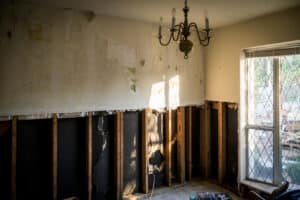
When mold follows flooding, plumbing leaks, or roof damage, a professional assessment helps ensure the issue is fully addressed. Mold that is not properly remediated can continue to affect indoor air quality and cause long-term damage to building materials.At W.B. Arthur, professional mold remediation goes beyond removing visible growth. Proper inspection, containment, removal, and moisture control are used to address both mold and the conditions that allow it to return. By identifying hidden contamination and correcting moisture issues, homes can be restored to safe, healthy conditions throughout New Braunfels and surrounding Central Texas communities.