
When water damage affects a home, one of the first questions homeowners ask is how long restoration will take. The answer depends on several factors, including the source of the water, the amount of moisture involved, and the speed at which water removal begins.
Some water damage situations can be resolved in a matter of days, while others may take longer if water has spread into walls, flooring, insulation, or structural materials. Understanding how the restoration process works helps set realistic expectations and highlights the importance of addressing water damage as soon as possible.
What Influences the Water Restoration Process
Every water damage situation is different, and several conditions influence how restoration progresses. The type of water involved plays a major role, as clean water from a plumbing issue is typically easier to address than hazardous water such as sewage.
The length of time water remains in the home before removal also affects the process. The longer the materials stay wet, the more moisture they absorb. The extent of saturation in walls, floors, insulation, and other building materials further determines the amount of drying and mitigation required. At W.B. Arthur, each project begins with an evaluation to identify these conditions and determine the most effective approach.
Steps Involved in Water Damage Restoration
While every situation is unique, our water damage restoration follows a structured sequence designed to control moisture and prevent additional damage.
The process includes:
- Evaluation of affected areas to determine the extent of water damage
- Water extraction to remove standing water
- Water mitigation measures to limit further damage
- Structural drying and dehumidification to remove trapped moisture
- Cleaning and disinfecting to restore safe conditions inside the home
Each step is necessary to ensure moisture is fully addressed before repairs begin.
The Importance of Proper Drying After Water Damage
Once standing water is removed, restoration continues through drying, monitoring, and cleanup. Structural drying and dehumidification are used to remove moisture from walls, flooring, insulation, and other building materials that may not appear wet on the surface.
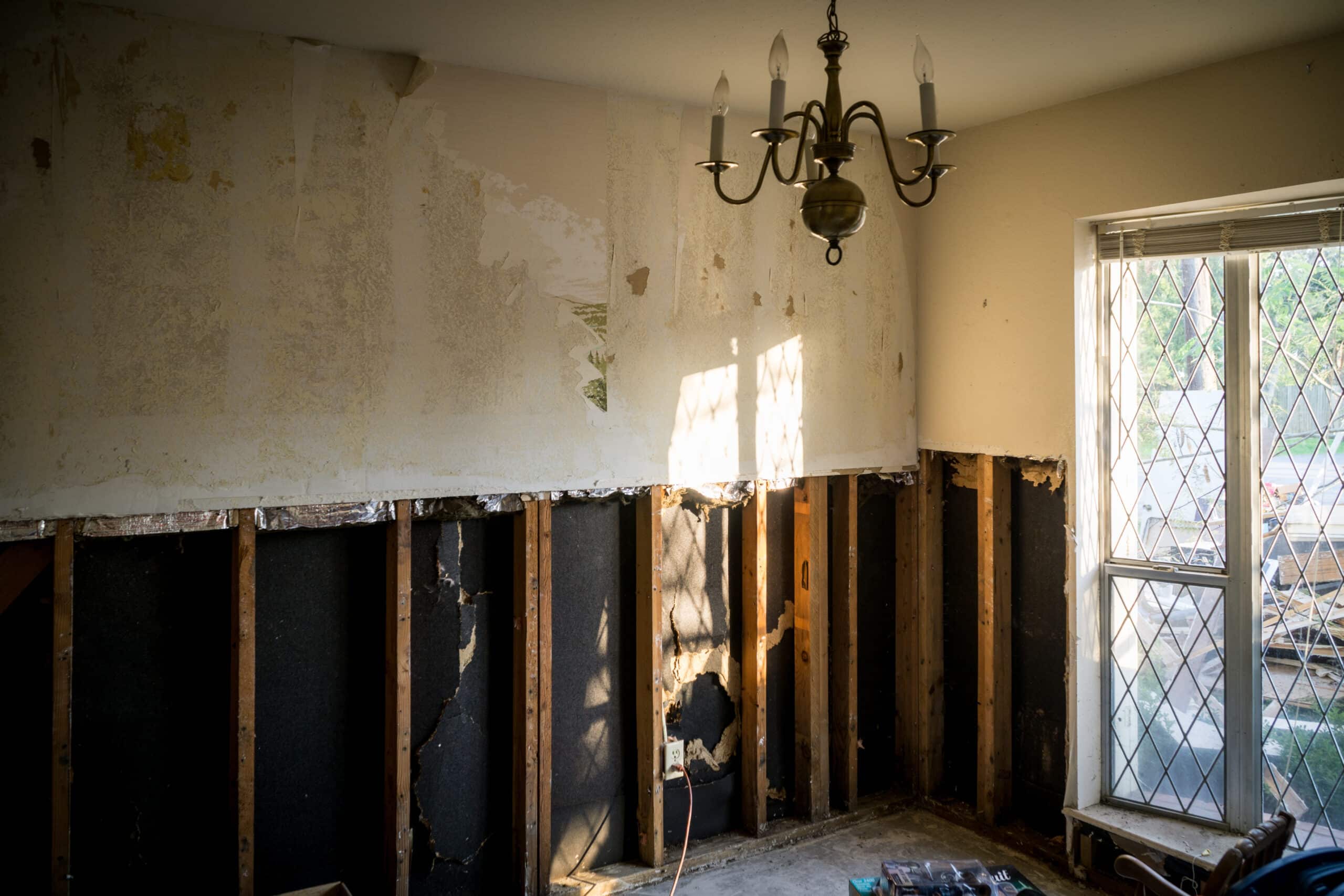
If water has reached behind walls, under flooring, or into insulation, additional drying time may be required to fully address affected areas. Cleaning and disinfecting can also extend this phase of restoration, especially when hazardous water is involved. Repairs or reconstruction, if needed, will vary based on the extent of the damage.
Proper drying is one of the most critical parts of the restoration process. Moisture left behind can lead to mold growth, lingering odors, and long-term structural deterioration. Rushing or skipping this step increases the risk of future problems.
At W.B. Arthur, structural drying and dehumidification are essential components of every water damage restoration project. Moisture is addressed thoroughly to help prevent complications and ensure the home is safe before repairs are completed.
What Homeowners Can Expect During Water Damage Restoration
Water damage restoration is not only about removing visible water. It involves identifying hidden moisture, following a structured restoration process, and allowing enough time for proper drying and cleanup. Each step helps prevent additional damage and reduce the risk of long-term issues, such as mold growth or structural deterioration.
While every situation is different, understanding how restoration progresses can help homeowners feel more prepared and confident throughout the process. W.B. Arthur provides 24/7 water damage restoration services throughout Central Texas, responding quickly to assess conditions, remove moisture, and restore homes safely and effectively.