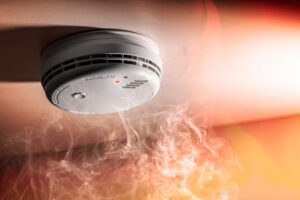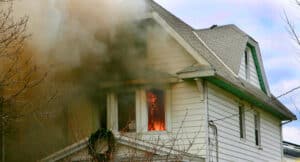

After a fire, visible damage often receives the most attention. Burned materials and structural damage are easier to recognize, but smoke damage can affect a much larger portion of the home. Smoke particles travel quickly during a fire, spreading through rooms, hallways, and ventilation systems while leaving behind soot residue and persistent odors.
At W.B. Arthur, smoke damage is frequently discovered in areas homeowners did not initially realize were affected. Walls, ceilings, furniture, flooring, and HVAC systems can all absorb smoke residue. Even when flames were limited to one area, smoke contamination may be present throughout the home. Understanding how smoke spreads and why odor removal requires specialized restoration techniques helps homeowners recognize the importance of professional cleanup.
How Smoke Damage Affects a Home
Smoke produced during a fire contains tiny particles that move easily through open spaces and air circulation systems. As smoke cools, these particles settle on surfaces throughout the home, forming soot residue.
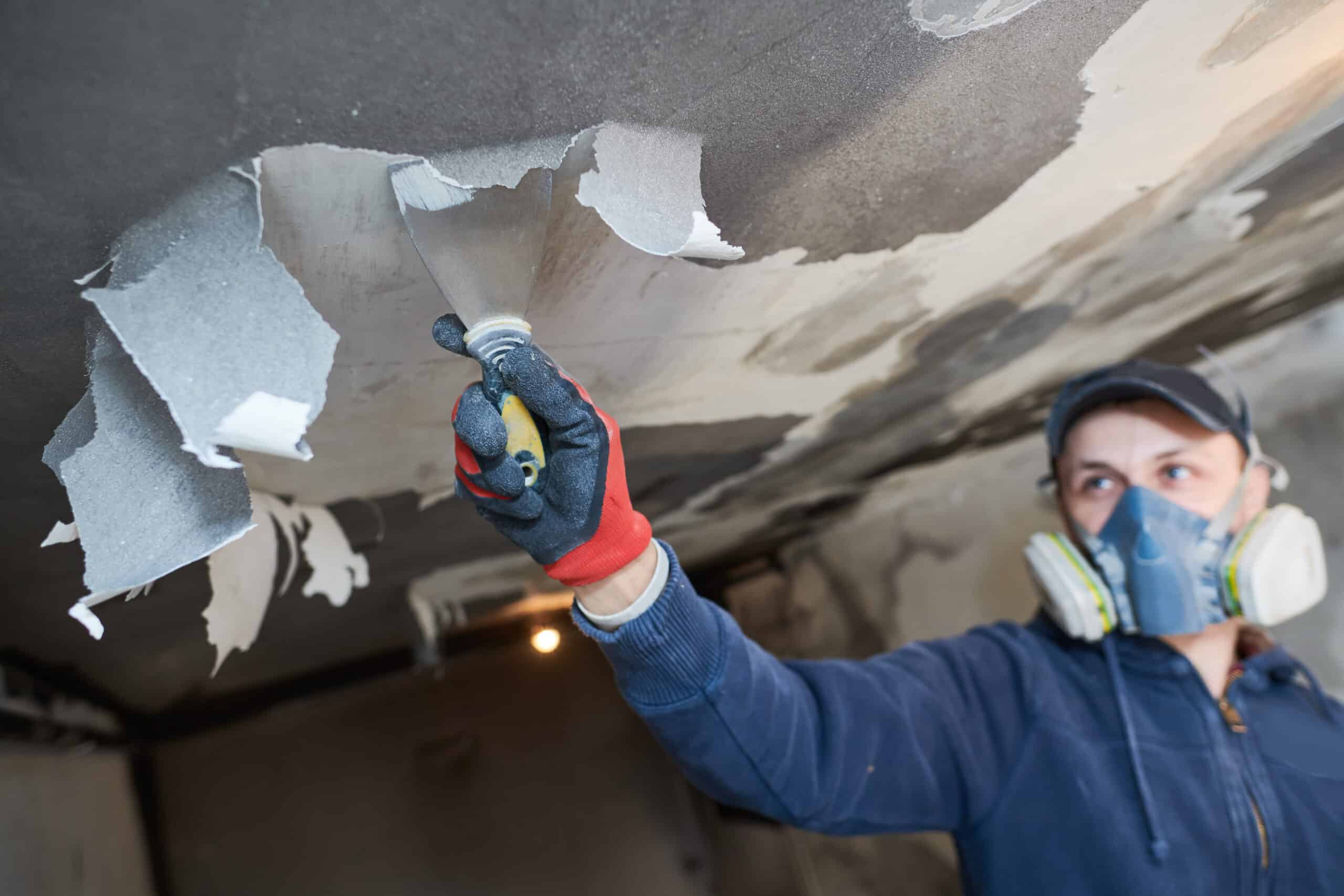
Soot may appear as dark staining on walls, ceilings, and contents, but contamination is often present beyond what is immediately visible. Smoke particles can penetrate porous materials such as drywall, insulation, wood, carpeting, and upholstery. As a result, areas far from the original fire can still experience smoke damage.
Without proper cleanup, smoke residue may continue to affect surfaces and materials inside the home.
Why Smoke Odor Removal After a Fire Is Difficult
Smoke odors develop when microscopic smoke particles and chemical compounds become embedded within building materials and household contents. Carpeting, fabrics, drywall, insulation, and wood surfaces can all absorb smoke during a fire.
Surface cleaning may remove visible soot, but often does not eliminate particles trapped within these materials. As a result, smoke odors may linger or return over time, especially when humidity rises or air circulates through the HVAC system.
Because smoke contamination can remain hidden inside porous materials, effective odor removal typically requires specialized cleaning equipment and restoration techniques designed to address odor at its source.
The Process of Professional Smoke Damage Restoration
Professional smoke damage restoration focuses on removing soot contamination and addressing odor throughout the home. A thorough inspection helps determine how far the smoke spread and which materials were affected.
The restoration process may include:
- Inspection to identify areas affected by smoke and soot
- Removal of unsalvageable materials damaged by fire or smoke
- Cleaning of walls, ceilings, and surfaces where soot residue has settled
- Air filtration to capture smoke particles and improve indoor air quality
- Deodorization techniques designed to neutralize lingering smoke odors
- Inspection and cleaning of HVAC systems if smoke traveled through ventilation
- Specialized equipment such as air scrubbers, hydroxyl generators, ozone treatments, or thermal fogging may be used to help remove smoke odors embedded within materials.
Smoke Damage Restoration for Central Texas Homes
Smoke damage can remain long after a fire has been extinguished if soot residue and odor-causing particles are not properly removed. Because smoke spreads easily throughout a structure, restoration often requires cleaning and deodorization across multiple areas of the home.
At W.B. Arthur, smoke damage restoration focuses on identifying contamination, removing soot, and restoring indoor air quality after a fire. Through careful inspection and professional restoration, homes across Central Texas can be returned to safe, comfortable living conditions after smoke and fire damage.